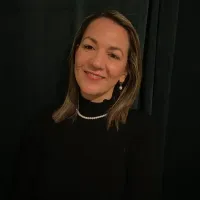
ABOUT MONICA STANESCU
Your turn to share your story!
Why not message me at +44 7436869716, or email me [email protected], or book an introductory session.
My interest in psychology and therapeutic approaches sparked about twenty years ago. Going through various adverse childhood experiences, being surrounded by unhealthy behaviours, and displaying unhealthy behaviours, understanding the mind and human behaviours becomes something of high interest. Hence, I went on to study Psychology, and I found it amazing! I initially wanted to study clinical psychology, but I was looking for more, so I decided to pursue a career in the Human Resources and Recruitment field. This time of my life was truly spectacular! I worked and met so many wonderful people. I still carry some wisdom from that time. My favourite is: “I am too poor to buy cheap shoes”, and I genuinely believe it, but I also love shoes, so it’s a good excuse when I want to buy another pair. I developed strong diplomatic and professional skills, learned to adjust my communication style, and refined my people skills, which, over time, correlated with a high level of empathy and authenticity, becoming my strengths as a person and now as a therapist.
Time passed, and when I discovered a Health Psychology Master's at the University of the West of England, it felt like the right approach to follow. I have always believed in the biopsychosocial approach, which holds that the environment in which we grow and live is essential to our development. That was the time when I truly understood how traumatic it had been to receive the diagnosis of a chronic condition in my early twenties, how it had impacted my identity as a woman and how it had taken over my being and my life. I went through all the stages of grief, and it turned my world upside down. But with great support around me, therapy, and friends, I managed to rebuild myself, the way I feel about myself. This time, in a conscious manner, by my values and beliefs, my wishes for the future, and how I wanted to conduct my life. Immediately after receiving my MSc qualification, I began working as a Specialist Mentor, providing mental and emotional support to students who are challenged by various disabilities, long-term conditions, and/or learning difficulties. When I studied for my undergraduate degree, I remember feeling that my mind was scattered. I had no notion of time management or prioritisation, struggled to study and focus, and lacked motivation for a proactive approach to preparation ahead of exams. I would end up not sleeping well, not eating the last two days before exams, and struggling to study.
Now, I understand that I needed guidance and support, and nowadays, someone does not need to spend years trying to change unhealthy beliefs and behaviours to healthy ones. You need the right support, tailored to your unique needs at that time. Hence, working with students holds a significant place in my heart. In my quest to develop as an individual and professional, I began studying the Person-Centred Approach (more commonly known as counselling). The counselling course was mind-blowing from a personal development perspective. I had to go back to therapy to process, challenge and integrate old, deeply ingrained beliefs. At a professional level, developing and applying the Person-Centred Approach made a significant difference; however, I soon identified a new obstacle: trauma. Hence, I studied and integrated a one-year Trauma-Informed and Somatic Psychotherapy course, which allowed for a thorough exploration of emotional experiences and their expression through somatic work. This approach enables a healthy and rapid process and integration of our lived experiences.
Studying Cognitive-Behavioural Hypnotherapy was the cherry on top! I have always been fascinated by hypnotherapy, and I believe it would beautifully complement my set of skills to be able to offer a safe space and contain any challenges that one might bring into the therapeutic setting, thereby enhancing the process by deepening self-confidence and self-esteem through targeted suggestions that reach the core of being. I now possess well-rounded skills and professional expertise to support individuals in their transformative journeys. However, the most important thing is that I have grown significantly due to the extensive knowledge I’ve accumulated, which my high level of empathy and non-judgmental approach have enhanced. I am currently enrolled as a trainee counsellor studying at Level 5, and I am integrating the person-centred approach not only in my professional life but also in my personal one; it has become a lifestyle. I am happy to share this with anyone who might need a safe space to figure out ways to overcome emotional obstacles or to live well with daily challenges, such as managing stress, delivering a presentation, or navigating social, romantic, and family relationships.
Thank you for taking the time to get to know me. I look forward to hearing your story!
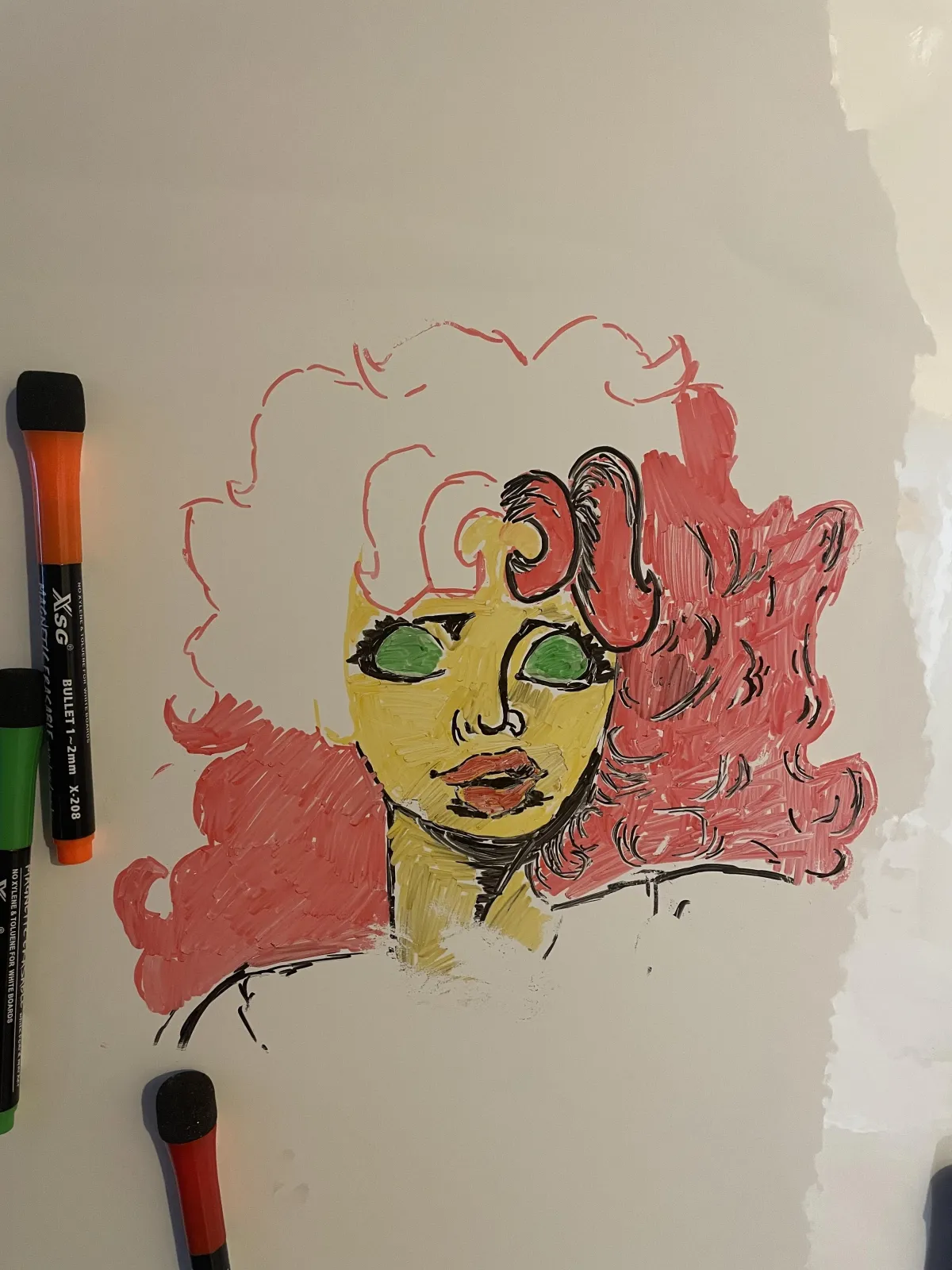
ADHD in Women: Why It Is Often Missed Until Adulthood Blog Post
ADHD in Women: Why It Is Often Missed Until Adulthood
I worked with many women whom by discovering they have ADHD later in life felt both surprising and deeply validating. After years of struggling with overwhelm, disorganisation, emotional intensity, or exhaustion, they finally encounter an explanation that makes sense of experiences they may have carried for decades.
While ADHD is often associated with hyperactive boys in childhood, research and clinical experience show that ADHD in women frequently goes unnoticed until adulthood. Many women receive a late ADHD diagnosis after years of coping with challenges that were misunderstood or dismissed.
Understanding why ADHD symptoms in women are often missed can help explain these experiences and support greater awareness and compassion.
Why ADHD in Women Is Often Overlooked
Why in boys/men ADHD symptoms are more external such as hyperactivity and impulsivity, in girls/women the symptoms are more internalised:
racing or scattered thoughts (I have a million thoughts per second!)
chronic overwhelm (I want to leave my skin behind and run!)
difficulty organising tasks
emotional sensitivity
forgetfulness
mental exhaustion
These symptoms can easily be overlooked by teachers, parents, and even healthcare professionals. As a result, many girls learn to manage their difficulties quietly without receiving the support they need while potentially developing negative self-beliefs of not being good enough.
ADHD Symptoms in Women Can Be Subtle
ADHD symptoms in women are often less outwardly disruptive but equally challenging.
For example, a girl with ADHD may:
appear quiet or distracted rather than hyperactive
daydream frequently
struggle with organisation and time management
feel emotionally overwhelmed by everyday stress
spend excessive time trying to stay organised
Instead of being recognised as ADHD, these behaviours may be labelled as personality traits such as being “sensitive,” “disorganised,” or “scatterbrained.”
Over time, these labels can shape how someone sees themselves.
The Role of Masking
Another reason ADHD in women is often missed is the phenomenon known as masking.
Masking refers to the strategies people develop to hide or compensate for ADHD symptoms in order to meet expectations.
Women with ADHD may learn to:
work much harder than others to stay organised
carefully monitor their behaviour to avoid criticism
overprepare for tasks or responsibilities
hide mistakes or forgetfulness
While these strategies may help someone appear to be coping, they often require significant effort.
Over time, masking can lead to exhaustion, stress, and burnout.
Many women describe feeling as though they are constantly trying to “keep up” while hiding how difficult things actually feel.
Emotional Experiences of ADHD in Women
ADHD affects more than attention and organisation. It also influences how the brain processes emotions.
Many women with ADHD experience strong emotional responses (My emotions go from 1 to 100 in a split second!), including:
feeling easily overwhelmed
difficulty calming down after stress
sensitivity to criticism
intense frustration when tasks feel difficult
These experiences are sometimes referred to as emotional dysregulation, which is increasingly recognised as a common part of ADHD.
When emotional responses are misunderstood, women may be told they are “too sensitive” or “overreacting.” In fact the nervous system is on fire!
Why Many Women Receive a Late ADHD Diagnosis
For many women, ADHD only becomes visible during significant life transitions.
Examples include:
starting university
entering demanding careers
managing multiple responsibilities at once
becoming a parent
As adult, not having the under age usual scaffolding from both teachers and parents, starting a more autonomy life creates a fertile ground for ADHD challenges to fully kick in. Strategies that once helped someone cope may no longer be enough, and difficulties with focus, planning, and emotional regulation may become more noticeable.
This is often when women begin exploring the possibility of ADHD and eventually receive a late ADHD diagnosis.
The Emotional Impact of Late Diagnosis
Receiving an ADHD diagnosis in adulthood can bring a wide range of emotions.
Many women describe feeling relief because their experiences finally make sense.
At the same time, some people experience grief or frustration when reflecting on years spent struggling without understanding why.
Common thoughts may include:
“Why didn’t anyone notice this earlier?”
“I wish I had understood this about myself sooner.”
“So much of my life suddenly makes sense.”
These reactions are a normal part of processing a new understanding of oneself.
For many women, a diagnosis becomes an opportunity to reframe past experiences with greater compassion.
Moving Toward Understanding and Support
Learning about ADHD in women can be an important step toward greater self-awareness and overall wellbeing.
Instead of seeing struggles with organisation, attention, or emotions as personal failures, they can be understood as part of how the brain processes information and stimulation.
With greater understanding, women can begin to:
develop strategies that work with their brain rather than against it
reduce patterns of self-criticism
recognise their strengths alongside their challenges
seek supportive environments and resources
How Therapy Can Help
Therapy can provide a supportive space to explore the emotional and practical impact of ADHD.
Working with a therapist who understands ADHD in women can help individuals:
understand lifelong patterns of overwhelm or stress
develop strategies for emotional regulation
address self-criticism and shame
create more sustainable ways of managing responsibilities
Many women find that simply being understood without judgement can be a powerful part of the process.
A Different Perspective on ADHD
ADHD is not simply a set of difficulties; it is also a different way of experiencing and processing the world.
Many women with ADHD are creative, empathetic, intuitive, and deeply thoughtful.
However, these strengths often go unnoticed when someone has spent years focusing on perceived shortcomings.
Recognising both the challenges and strengths of ADHD can support a more balanced and compassionate understanding.
Final Thoughts
The increasing recognition of ADHD in women is helping more people understand experiences that were previously misunderstood or overlooked.
For those who receive a late ADHD diagnosis, this understanding can be life-changing.
It offers a new framework for making sense of past challenges and opens the door to more supportive ways of living and working.
Greater awareness of ADHD symptoms in women can help ensure that future generations receive the recognition and support they need much earlier.