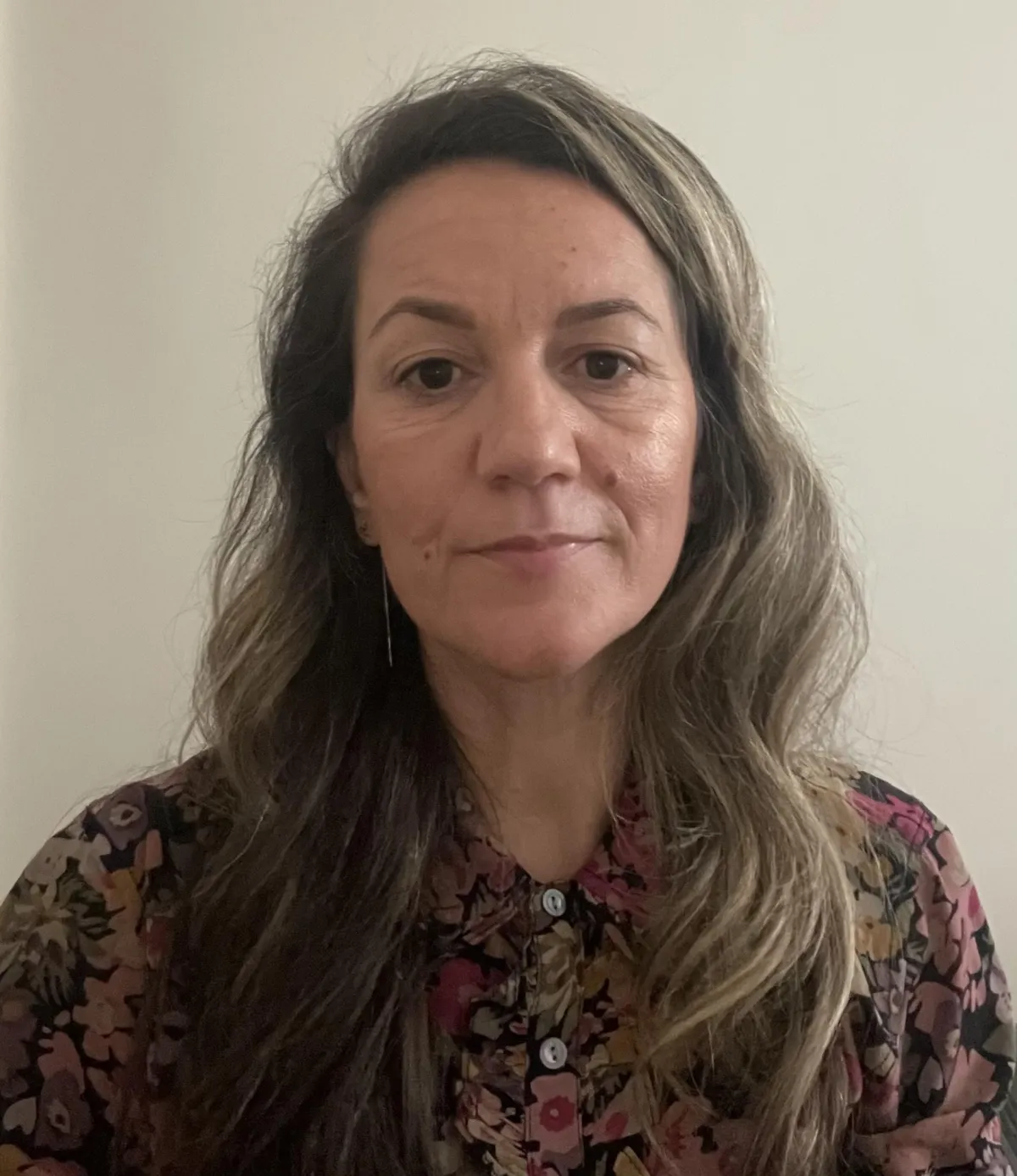
ABOUT MONICA STANESCU
Your turn to share your story!
Why not message me at +44 7436869716, or email me [email protected], or book an introductory session.
My interest in psychology and therapeutic approaches sparked about twenty years ago. Going through various adverse childhood experiences, being surrounded by unhealthy behaviours, and displaying unhealthy behaviours, understanding the mind and human behaviours becomes something of high interest. Hence, I went on to study Psychology, and I found it amazing! I initially wanted to study clinical psychology, but I was looking for more, so I decided to pursue a career in the Human Resources and Recruitment field. This time of my life was truly spectacular! I worked and met so many wonderful people. I still carry some wisdom from that time. My favourite is: “I am too poor to buy cheap shoes”, and I genuinely believe it, but I also love shoes, so it’s a good excuse when I want to buy another pair. I developed strong diplomatic and professional skills, learned to adjust my communication style, and refined my people skills, which, over time, correlated with a high level of empathy and authenticity, becoming my strengths as a person and now as a therapist.
Time passed, and when I discovered a Health Psychology Master's at the University of the West of England, it felt like the right approach to follow. I have always believed in the biopsychosocial approach, which holds that the environment in which we grow and live is essential to our development. That was the time when I truly understood how traumatic it had been to receive the diagnosis of a chronic condition in my early twenties, how it had impacted my identity as a woman and how it had taken over my being and my life. I went through all the stages of grief, and it turned my world upside down. But with great support around me, therapy, and friends, I managed to rebuild myself, the way I feel about myself. This time, in a conscious manner, by my values and beliefs, my wishes for the future, and how I wanted to conduct my life. Immediately after receiving my MSc qualification, I began working as a Specialist Mentor, providing mental and emotional support to students who are challenged by various disabilities, long-term conditions, and/or learning difficulties. When I studied for my undergraduate degree, I remember feeling that my mind was scattered. I had no notion of time management or prioritisation, struggled to study and focus, and lacked motivation for a proactive approach to preparation ahead of exams. I would end up not sleeping well, not eating the last two days before exams, and struggling to study.
Now, I understand that I needed guidance and support, and nowadays, someone does not need to spend years trying to change unhealthy beliefs and behaviours to healthy ones. You need the right support, tailored to your unique needs at that time. Hence, working with students holds a significant place in my heart. In my quest to develop as an individual and professional, I began studying the Person-Centred Approach (more commonly known as counselling). The counselling course was mind-blowing from a personal development perspective. I had to go back to therapy to process, challenge and integrate old, deeply ingrained beliefs. At a professional level, developing and applying the Person-Centred Approach made a significant difference; however, I soon identified a new obstacle: trauma. Hence, I studied and integrated a one-year Trauma-Informed and Somatic Psychotherapy course, which allowed for a thorough exploration of emotional experiences and their expression through somatic work. This approach enables a healthy and rapid process and integration of our lived experiences.
Studying Cognitive-Behavioural Hypnotherapy was the cherry on top! I have always been fascinated by hypnotherapy, and I believe it would beautifully complement my set of skills to be able to offer a safe space and contain any challenges that one might bring into the therapeutic setting, thereby enhancing the process by deepening self-confidence and self-esteem through targeted suggestions that reach the core of being. I now possess well-rounded skills and professional expertise to support individuals in their transformative journeys. However, the most important thing is that I have grown significantly due to the extensive knowledge I’ve accumulated, which my high level of empathy and non-judgmental approach have enhanced. I am currently enrolled as a trainee counsellor studying at Level 5, and I am integrating the person-centred approach not only in my professional life but also in my personal one; it has become a lifestyle. I am happy to share this with anyone who might need a safe space to figure out ways to overcome emotional obstacles or to live well with daily challenges, such as managing stress, delivering a presentation, or navigating social, romantic, and family relationships.
Thank you for taking the time to get to know me. I look forward to hearing your story!
Behind Every Trigger Is a Younger Version of You Asking to Feel Safe
Behind Every Trigger Is a Younger Version of You Asking to Feel Safe
As children, we are not guided by logic, achievement, or social status. We are guided by emotion. Before we understand language, before we can reason or explain ourselves, we are already sensing the world through feelings. Safety, love, acceptance, connection — these are the emotional foundations upon which our entire identity is built. A child does not ask, “Am I successful?” A child asks, often without words, “Am I safe? Am I loved? Am I wanted exactly as I am?”
These emotional needs are universal, yet the ways they are met — or unmet — can vary greatly. Some children grow up in environments filled with affection and emotional security. Others experience neglect, criticism, unpredictability, emotional absence, or traumatic events. And because children do not yet possess the cognitive ability to understand complexity, they often internalise painful experiences as truths about themselves.
If love feels inconsistent, a child may unconsciously believe, “I am not worthy of love.”
If safety is absent, the belief may become, “The world is dangerous.”
If acceptance is conditional, the mind learns, “I must change who I am to belong.”
These beliefs do not remain in childhood. They quietly shape adulthood.
Human beings like to think of themselves as rational creatures, but in reality, emotions drive much of our behaviour. The decisions we make, the relationships we choose, the ways we react under stress, the fears we avoid, even the goals we pursue — all are deeply influenced by emotional experiences stored within us. Often, what appears to be anger is actually fear. What appears to be control may be rooted in insecurity. What appears to be emotional distance can be a form of protection against rejection or abandonment.
The emotional brain develops long before the rational brain fully matures. This means that many of our deepest responses are not conscious choices, but learned survival strategies. We adapt emotionally to the environments we grow up in. If a child grows up walking on eggshells, hypervigilance becomes normal. If emotional expression is punished, suppression becomes a form of safety. If affection is inconsistent, anxiety can become attached to intimacy itself.
Sometimes, the absence of love and safety is not imagined or exaggerated — it is very real. Trauma, neglect, emotional abandonment, bullying, instability, or abuse can leave profound psychological imprints. Even as a person ages and their external circumstances change, the nervous system may still react as if the original danger persists. The body remembers what the mind tries to move past.
This is why emotional triggers can feel disproportionate or confusing. A disagreement with a partner may suddenly feel unbearable. Workplace criticism may trigger intense shame. Being ignored by someone important may create panic, anger, or emotional collapse. These reactions are rarely about the present moment alone. They are often echoes of unmet emotional needs from the past.
For many women with Attention Deficit Hyperactivity Disorder, this emotional sensitivity can become even more intense through what is often described as rejection sensitivity. Many girls with ADHD grow up feeling misunderstood, “too emotional,” disorganised, forgetful, or somehow different from others. Repeated experiences of criticism, correction, exclusion, or feeling unable to meet expectations can quietly shape deep beliefs of inadequacy and fear of rejection. Over time, the nervous system becomes highly alert to signs of disapproval or abandonment because those experiences were once felt emotionally unsafe. As adults, even small moments of criticism or perceived rejection can trigger overwhelming shame, anxiety, or emotional pain — not because the person is weak, but because earlier emotional wounds remain unprocessed. Therapy can support women with ADHD understand the connection between these early experiences and their present emotional responses, allowing them to separate their self-worth from the fear of rejection and develop a more compassionate relationship with themselves.
To understand this more clearly, imagine a three-year-old child alone in the woods at night. The child is frightened, vulnerable, disconnected, and desperate for comfort. Now imagine carrying that frightened child internally throughout adulthood without realising it. Many people do exactly that. Beneath the adult exterior — the career, the routines, the responsibilities — there is often an emotional self still longing to feel safe, loved, and accepted.
Psychological distress developed in childhood does not disappear simply because time passes. Unprocessed emotional pain tends to reappear through anxiety, depression, relationship struggles, emotional dysregulation, self-sabotage, perfectionism, people-pleasing, addiction, or chronic feelings of emptiness. The mind attempts to protect itself using coping mechanisms that may once have been necessary but no longer serve a healthy adult life.
This is where therapy becomes transformative.
Therapy is not simply about talking through problems or receiving advice. At its core, therapy is a process of developing self-awareness and emotional integration. It helps individuals understand not only what they feel but also the roots of those feelings, where they are coming from. More importantly, it creates a safe environment where emotions that were once suppressed, feared, or misunderstood can finally be acknowledged and processed.
Self-awareness is one of the most powerful tools for healing because it interrupts automatic emotional patterns. When we begin to recognise our triggers, attachment wounds, defence mechanisms, and unconscious beliefs, we create space between emotion and reaction. Instead of being controlled by unresolved emotional pain, we begin to observe it with compassion and understanding.
Therapy allows people to reconnect with parts of themselves they may have abandoned in order to survive. The angry person may discover deep grief beneath their rage. The perfectionist may uncover a lifelong fear of rejection. The emotionally detached person may realise they learned early on that vulnerability was unsafe.
Through this process, emotions stop being enemies to be suppressed and become signals to be understood.
A healthy emotional life does not mean never experiencing pain, fear, sadness, or conflict. It means developing the capacity to process emotions without becoming overwhelmed or disconnected from ourselves. Emotional integration allows us to respond rather than react. It helps us form healthier relationships, establish boundaries, regulate our nervous systems, and live more authentically.
One of the most important realizations therapy can offer is this: the emotions we carry today often belong to experiences we were never given the tools to process yesterday.
Healing begins when we stop judging ourselves for our emotional responses and start becoming curious about them. Instead of asking, “What is wrong with me?” we begin asking, “What happened to me?” and eventually, “What do I need now?”
Humans are emotional beings before they are rational ones. Emotions shape our identity, relationships, behaviours, and sense of self. When our emotional world is neglected or wounded, the effects ripple through every area of life. But when emotions are acknowledged, processed, and integrated, they become sources of wisdom rather than suffering.
The journey toward emotional health is not about becoming someone new. It is about returning to the parts of ourselves that have always needed love, safety, and acceptance — and finally giving them the attention they deserved all along.
Be kind to yourself 💎