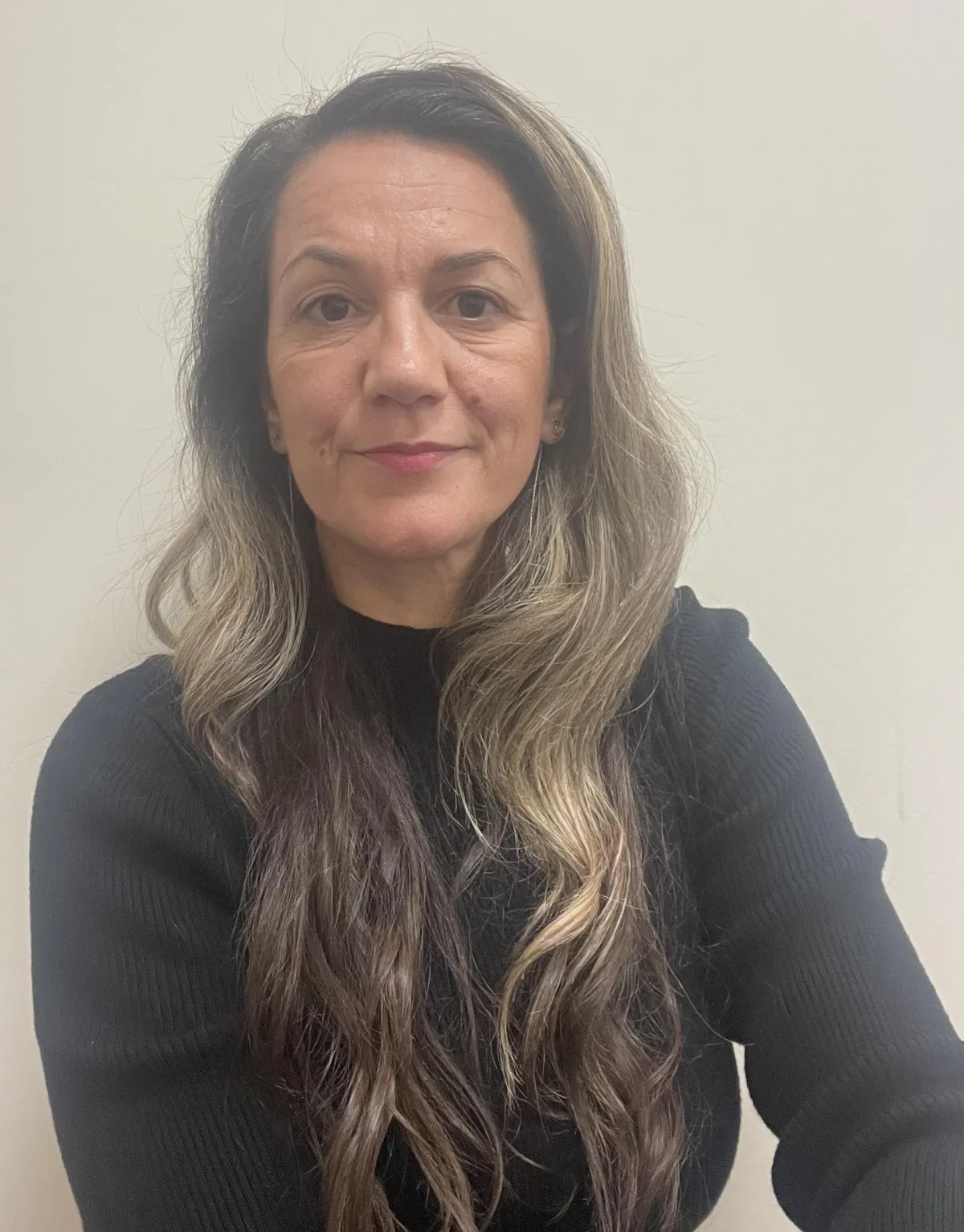
ABOUT MONICA STANESCU
Your turn to share your story!
Why not message me at +44 7436869716, or email me [email protected], or book an introductory session.
My interest in psychology and therapeutic approaches sparked about twenty years ago. Going through various adverse childhood experiences, being surrounded by unhealthy behaviours, and displaying unhealthy behaviours, understanding the mind and human behaviours becomes something of high interest. Hence, I went on to study Psychology, and I found it amazing! I initially wanted to study clinical psychology, but I was looking for more, so I decided to pursue a career in the Human Resources and Recruitment field. This time of my life was truly spectacular! I worked and met so many wonderful people. I still carry some wisdom from that time. My favourite is: “I am too poor to buy cheap shoes”, and I genuinely believe it, but I also love shoes, so it’s a good excuse when I want to buy another pair. I developed strong diplomatic and professional skills, learned to adjust my communication style, and refined my people skills, which, over time, correlated with a high level of empathy and authenticity, becoming my strengths as a person and now as a therapist.
Time passed, and when I discovered a Health Psychology Master's at the University of the West of England, it felt like the right approach to follow. I have always believed in the biopsychosocial approach, which holds that the environment in which we grow and live is essential to our development. That was the time when I truly understood how traumatic it had been to receive the diagnosis of a chronic condition in my early twenties, how it had impacted my identity as a woman and how it had taken over my being and my life. I went through all the stages of grief, and it turned my world upside down. But with great support around me, therapy, and friends, I managed to rebuild myself, the way I feel about myself. This time, in a conscious manner, by my values and beliefs, my wishes for the future, and how I wanted to conduct my life. Immediately after receiving my MSc qualification, I began working as a Specialist Mentor, providing mental and emotional support to students who are challenged by various disabilities, long-term conditions, and/or learning difficulties. When I studied for my undergraduate degree, I remember feeling that my mind was scattered. I had no notion of time management or prioritisation, struggled to study and focus, and lacked motivation for a proactive approach to preparation ahead of exams. I would end up not sleeping well, not eating the last two days before exams, and struggling to study.
Now, I understand that I needed guidance and support, and nowadays, someone does not need to spend years trying to change unhealthy beliefs and behaviours to healthy ones. You need the right support, tailored to your unique needs at that time. Hence, working with students holds a significant place in my heart. In my quest to develop as an individual and professional, I began studying the Person-Centred Approach (more commonly known as counselling). The counselling course was mind-blowing from a personal development perspective. I had to go back to therapy to process, challenge and integrate old, deeply ingrained beliefs. At a professional level, developing and applying the Person-Centred Approach made a significant difference; however, I soon identified a new obstacle: trauma. Hence, I studied and integrated a one-year Trauma-Informed and Somatic Psychotherapy course, which allowed for a thorough exploration of emotional experiences and their expression through somatic work. This approach enables a healthy and rapid process and integration of our lived experiences.
Studying Cognitive-Behavioural Hypnotherapy was the cherry on top! I have always been fascinated by hypnotherapy, and I believe it would beautifully complement my set of skills to be able to offer a safe space and contain any challenges that one might bring into the therapeutic setting, thereby enhancing the process by deepening self-confidence and self-esteem through targeted suggestions that reach the core of being. I now possess well-rounded skills and professional expertise to support individuals in their transformative journeys. However, the most important thing is that I have grown significantly due to the extensive knowledge I’ve accumulated, which my high level of empathy and non-judgmental approach have enhanced. I am currently enrolled as a trainee counsellor studying at Level 5, and I am integrating the person-centred approach not only in my professional life but also in my personal one; it has become a lifestyle. I am happy to share this with anyone who might need a safe space to figure out ways to overcome emotional obstacles or to live well with daily challenges, such as managing stress, delivering a presentation, or navigating social, romantic, and family relationships.
Thank you for taking the time to get to know me. I look forward to hearing your story!
Stop Waiting to Be Happy: Why Purpose Alone Will Never Save You
Stop Waiting to Be Happy: Why Purpose Alone Will Never Save You
There’s a quiet crisis happening in how we think about happiness.
In conversations across therapy rooms, workplaces, and everyday life, a pattern keeps showing up: people don’t just feel unhappy—they feel stuck in unhappiness. And when asked, “What would happiness look like for you?”—many are left speechless.
Not because they don’t want happiness.
But because they’ve never truly defined it.
Somewhere along the way, we’ve started confusing being happy with having a purpose. And while the two can overlap, they are not the same thing—and misunderstanding that difference might be what keeps so many people trapped.
The Trap of “Being Unhappy”
When someone identifies strongly with being unhappy, it becomes more than a feeling—it becomes an identity. It’s no longer “I feel unhappy sometimes”, but “I am unhappy.”
That distinction matters.
Because when unhappiness becomes a state of being, it narrows your perspective. It obstructs your imagination. It limits possibilities. And most importantly, it blocks the ability to envision change.
So when asked, “What would happiness look like?”, the mind stalls.
Not because happiness is unattainable.
But because it’s undefined.
When the Journey Is Even Harder: Women, ADHD, and Internalised Beliefs
Navigating happiness and purpose can be challenging for most of us—but for some, the path is even more complex.
For women with ADHD traits, this journey can feel especially overwhelming. Living in a world that often misunderstands neurodivergence means constantly trying to adapt, mask, or “fix” yourself. Over time, this can lead to deeply ingrained negative self-beliefs—feeling not good enough, too much, too scattered, or simply “wrong.”
When you’ve spent years navigating environments that didn’t fully support or understand you, unhappiness can feel less like a passing state and more like a permanent condition.
But here’s the truth worth holding onto:
Just because others failed to understand or support you, it doesn’t mean you have to continue carrying their beliefs as your own.
You are not broken—you are patterned by experience.
And within that, there is space for something powerful:
Curiosity.
You are allowed to explore your mind, your emotions, your ways of being—not as problems to fix, but as parts of you to understand. There is beauty in your imperfection. And through that curiosity, you can begin to shape a world—both internally and externally—that feels less painful, more compassionate, and more aligned with who you truly are.
The Misconception: Happiness as a Checklist
When people attempt to describe happiness, the answers often sound like this:
Travelling the world
Having lots of friends
Being financially secure
Feeling emotionally connected
These are all valid desires. They’re meaningful, inspiring, and deeply human.
But here’s the catch: these are conditions, not states of being.
They are external markers—things to achieve, acquire, or experience. And while they can certainly contribute to moments of joy, they don’t automatically create a sustained sense of happiness.
Because happiness isn’t something you have.
It’s something you experience.
What Does It Mean to “Be” Happy?
The word being is often overlooked.
To be happy implies presence. It suggests a grounded state where your physical, mental, emotional, and even spiritual dimensions are aligned—at least momentarily.
It’s not about perfection.
It’s not about having everything figured out.
It’s about experiencing a sense of “okayness” in the moment.
And that’s where many people struggle.
Because instead of exploring how happiness feels now, they project it into the future:
“I’ll be happy when I can travel.”
“I’ll be happy when I have more money.”
“I’ll be happy when things finally fall into place.”
This creates a moving target—one that keeps shifting just out of reach.
A Simple Shift: From Abstract to Specific
One of the most powerful ways to break this cycle is through specificity.
Take this example:
Client: “I want to travel the world.”
Therapist: “Where exactly would you like to go?”
Client: “I don’t know… I haven’t really thought about it.”
At first, the desire sounds expansive—but it’s also vague. And vagueness often leads to inaction, even deeper sadness and hurt, anxiety and continuation of unhelpful beliefs.
But with a little guidance:
Client: “Actually… I’ve always wanted to explore Italy and photograph nature.”
Now something shifts.
The dream becomes tangible. It becomes real. It becomes approachable.
And then comes the most important question:
Therapist: “What feels possible right now?”
Not someday.
Not ideally.
But right now.
Client: “Maybe I could look into work-and-travel opportunities…”
And just like that, movement begins.
Not toward perfect happiness—but toward possibility.
Purpose: A Different Kind of Fuel
This is where purpose enters the picture.
Purpose isn’t the same as happiness—but it can support it.
Having a purpose gives direction. It pulls you outward. It encourages exploration beyond your internal struggles. It invites you to engage with the world through your senses, values, and curiosity.
And often, in those moments of engagement, something subtle happens:
You forget to be unhappy.
You become absorbed—in learning, creating, connecting, contributing.
And within that absorption, you might feel:
Contentment
Satisfaction
A quiet sense of joy
Not necessarily overwhelming happiness—but something just as valuable: meaningful presence.
The Power of Small, Possible Steps
One of the biggest barriers people face is the belief that change must be dramatic, all in one big jump. But the truth is, transformation rarely begins with big leaps.
It begins with small, realistic steps.
If travelling the world isn’t possible right now, what is?
Researching destinations
Saving a small amount each month
Exploring local places with fresh eyes
Practising photography in nearby nature
Each of these actions might seem minor—but they shift your relationship with your desire.
They move you from a state of lack to engagement.
And that shift is where emotional change begins.
A Question Worth Sitting With
For those who feel deeply stuck—especially in pain that feels overwhelming—this conversation might feel distant or even frustrating.
So instead of asking, “What would happiness look like?”, try something gentler:
“What would not hurting look like?”
Or even more simply:
“What feels just a little bit better than this?”
And then:
“What feels possible right now?”
These questions don’t demand a perfect answer.
They don’t require clarity about the future.
They only ask for a small shift in awareness.
Reclaiming the Meaning of Happiness
Happiness doesn’t have to be a grand destination.
It doesn’t need to be constant.
It doesn’t need to be loud.
Sometimes, it’s quiet.
It’s the moment you feel curious again.
It’s the moment something feels slightly easier.
It’s the moment you take one small step forward.
And perhaps most importantly:
It’s the moment you stop waiting for everything to align—and start engaging with what’s already here.
Final Thought
Having a purpose can guide you.
It can energise you.
It can give your life direction.
But being happy is something different.
It’s not something you earn at the end of a journey.
It’s something you touch, briefly and imperfectly, along the way.
So instead of asking:
“How do I become happy?”
Try asking:
“What does feeling even slightly better look like right now—and what can I do about it?”
That’s where change begins.
This is where therapy comes into play. It’s not magic, and it doesn’t “fix” you—but it can offer a safe, supportive space where you can begin the journey of self-discovery. A place where you can gently explore your experiences, thoughts, emotions, and patterns, and learn how to align your internal world with the external one—at your own pace, in your own way.
Be kind to yourself 💎